 English (United Arab Emirates)
 Dansk
Dansk Deutsch
 English
 English (UK)
 Español
 Francais
 Italiano
 Magyar
 Nederlands
 Norsk
Norsk Polski
 Português (Brasil)
 Pycckui
 Suomi
Suomi Svenska
 עברית
עברית 日本语
日本语 简体中文
简体中文 繁體中文
繁體中文 한국어
한국어
What does an optical module do?
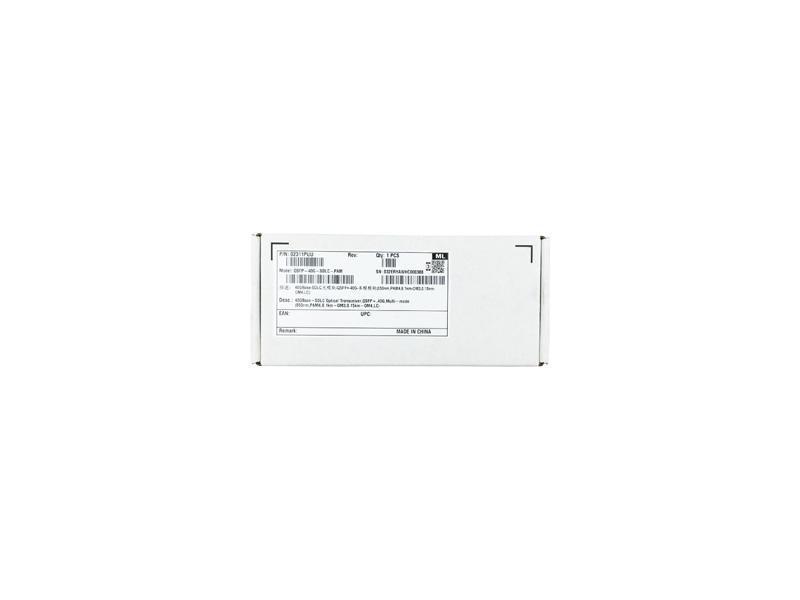
An optical module, often referred to as a transceiver, is a critical component in modern networking and telecommunications systems. Its primary function is to facilitate the transmission and reception of data over optical fiber networks by converting electrical signals into optical signals and vice versa. These modules are widely used in data centers, enterprise networks, telecommunications infrastructure, and other applications where high-speed data transfer is essential.
To better understand the role and importance of optical modules, let’s delve into their functionality, types, applications, and the key factors that influence their selection.
How Optical Modules Work
Optical modules are designed to bridge the gap between electrical and optical domains in communication systems. They consist of two main components: a transmitter and a receiver.
-
Transmitter: The transmitter takes electrical signals from a device, such as a switch, router, or server, and converts them into optical signals using a laser diode or LED. These optical signals are then transmitted through optical fibers to the receiving end.
-
Receiver: At the receiving end, the optical signals are converted back into electrical signals using a photodiode or similar device. These electrical signals are then processed by the receiving equipment to extract the transmitted data.
The conversion process ensures that data can travel over long distances at high speeds with minimal loss or interference, which is one of the key advantages of optical fiber communication.
Types of Optical Modules
Optical modules come in various types, each designed for specific applications and performance requirements. The most common types include:
-
SFP (Small Form-factor Pluggable): SFP modules are compact, hot-swappable transceivers widely used in networking equipment. They support data rates up to 4.25 Gbps and are suitable for both single-mode and multimode fiber applications.
-
SFP+: An enhanced version of SFP, SFP+ modules support higher data rates of up to 10 Gbps. They are commonly used in 10 Gigabit Ethernet networks and are backward-compatible with SFP modules.
-
QSFP (Quad Small Form-factor Pluggable): QSFP modules are designed for high-density applications and support data rates up to 40 Gbps. Variants like QSFP28 can achieve speeds of up to 100 Gbps, making them ideal for data centers and high-performance computing environments.
-
CFP (C Form-factor Pluggable): CFP modules are larger than SFP and QSFP modules and are used for high-speed applications, such as 100 Gbps Ethernet. They support longer transmission distances and are often used in telecom networks.
-
XFP (10 Gigabit Small Form-factor Pluggable): XFP modules are independent of the communication protocol and support data rates of up to 10 Gbps. They are used in Ethernet, Fibre Channel, and SONET/SDH applications.
-
DWDM (Dense Wavelength Division Multiplexing) Modules: These modules are used in DWDM systems to transmit multiple data streams over a single optical fiber by using different wavelengths of light. They are ideal for long-distance telecommunications.
Applications of Optical Modules
Optical modules play a vital role in a wide range of applications, including:
-
Data Centers: Modern data centers rely heavily on optical modules to ensure high-speed, reliable connectivity between servers, switches, and storage devices. QSFP28 and SFP+ modules are commonly used in these environments.
-
Telecommunications: Optical modules are essential for building large-scale telecom networks that deliver internet, voice, and video services. DWDM and CFP modules are often used for long-distance transmission.
-
Enterprise Networks: Businesses use optical modules to create robust and scalable networks that support various applications, including cloud computing, video conferencing, and data sharing.
-
High-Performance Computing (HPC): HPC environments require ultra-fast data transfer rates, which optical modules can provide. QSFP and QSFP28 modules are frequently used in these settings.
-
Access Networks: Optical modules are used in access networks to connect end-users to the broader telecommunications infrastructure. They are crucial for technologies like Fiber to the Home (FTTH).
Key Factors in Optical Module Selection
Choosing the right optical module for a specific application involves considering several factors:
-
Data Rate: The data rate of the optical module must match the requirements of the application. For example, SFP modules are suitable for lower-speed applications, while QSFP28 modules are ideal for high-speed environments.
-
Transmission Distance: The maximum transmission distance supported by the optical module depends on the type of fiber used (single-mode or multimode) and the module's specifications. Long-distance applications typically require modules designed for single-mode fiber.
-
Wavelength: The wavelength of the optical signal affects the module's compatibility with the fiber and other network components. Common wavelengths include 850 nm, 1310 nm, and 1550 nm.
-
Connector Type: Optical modules come with different connector types, such as LC, SC, and MPO. The connector type must match the fiber and equipment used in the network.
-
Compatibility: Optical modules must be compatible with the networking equipment they are used with. This includes ensuring that the module is supported by the device's firmware and operating system.
-
Power Consumption: Power consumption is an important consideration, especially in large-scale deployments. Low-power modules can reduce operational costs and improve energy efficiency.
-
Cost: The cost of optical modules varies depending on their type, performance, and brand. While it’s tempting to opt for cheaper alternatives, it’s essential to ensure that the module meets the required specifications and quality standards.
-
Environmental Factors: Some optical modules are designed to operate in harsh environments, such as extreme temperatures or high humidity. These modules are typically used in industrial or outdoor applications.
Emerging Trends in Optical Modules
The demand for faster and more efficient data transmission continues to drive innovation in optical module technology. Some of the emerging trends include:
-
Higher Data Rates: The industry is moving towards optical modules that support data rates of 400 Gbps and beyond. These modules will enable even faster networking capabilities in data centers and telecom networks.
-
Co-packaged Optics: Co-packaged optics integrate optical modules directly with networking chips, reducing latency and power consumption. This technology is expected to revolutionize data center design.
-
Silicon Photonics: Silicon photonics technology allows optical components to be fabricated using semiconductor manufacturing techniques. This approach can reduce costs and improve performance.
-
Artificial Intelligence Integration: Optical modules with AI-driven diagnostics and monitoring capabilities are being developed to enhance network reliability and efficiency.
-
Miniaturization: Advances in miniaturization are leading to smaller, more compact optical modules that can fit into high-density networking equipment.
Challenges and Considerations
While optical modules offer numerous advantages, they also come with challenges. For example, the initial cost of deploying optical networks can be high, and maintaining compatibility between different types of modules and equipment can be complex. Additionally, the rapid pace of technological advancement means that optical modules can become obsolete relatively quickly.
To address these challenges, organizations must carefully plan their network infrastructure, invest in scalable solutions, and stay informed about the latest developments in optical module technology.
In summary, optical modules are indispensable components of modern communication systems, enabling high-speed, long-distance data transmission with minimal interference. Their versatility, scalability, and efficiency make them a cornerstone of networking and telecommunications infrastructure. By understanding their functionality, types, applications, and selection criteria, organizations can harness the full potential of optical module technology to meet their connectivity needs.


